ECHR rules Lithuania did not violate human rights by deporting migrants to Belarus
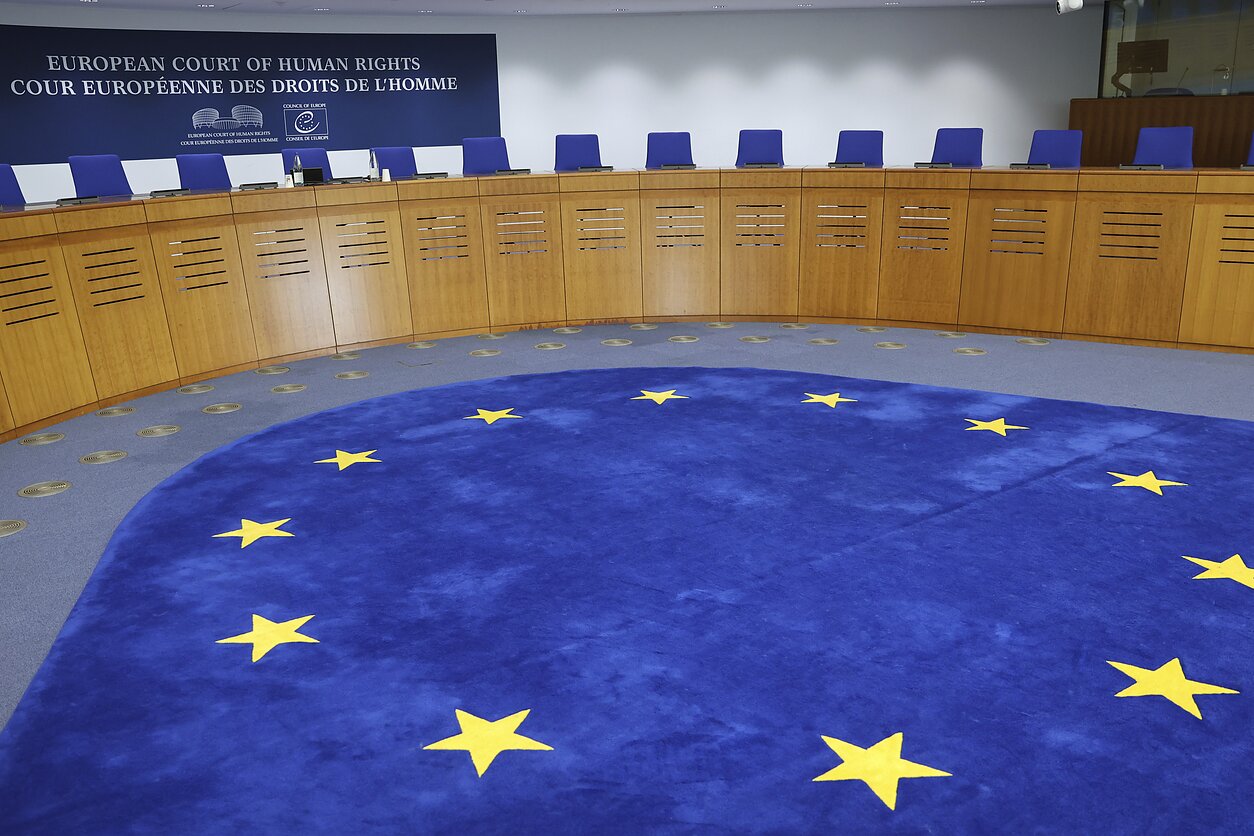
The European Court of Human Rights (ECHR) has ruled that deporting foreigners to countries that use migration as a political tool does not, in itself, violate the prohibition of torture and inhuman or degrading treatment under the European Convention on Human Rights.
The court’s Grand Chamber issued the ruling Tuesday after examining cases brought by several applicants against Lithuania, Latvia and Poland.
“In the context of the instrumentalisation of migration, the expulsion of a foreigner to the state carrying out the instrumentalisation does not in itself mean a violation of Article 3 [of the Convention], which prohibits torture and inhuman or degrading treatment,” the court said.
However, the Strasbourg-based court stressed that national authorities must identify, before carrying out expulsions in such circumstances, individuals who would face an exceptionally high risk of torture or other ill-treatment.
It identified two categories of people requiring such an assessment: those with evident personal vulnerabilities, such as advanced age, poor health or disability, and those with specific grounds to believe that returning them to the country using migration as a political weapon would pose a real threat to their lives or a serious risk of ill-treatment.
The court also said national authorities were not required to assess whether individuals would have access to an adequate asylum procedure in the country instrumentalising migration.
In Lithuania’s case, the Grand Chamber found that the applicants did not belong to either of the vulnerable categories.
The ruling was adopted by 11 votes to six, with the court finding no violation of the prohibition of torture and inhuman or degrading treatment.
No imminent threat
In the case against Lithuania, four applicants complained that Lithuanian border guards detained them and returned them to Belarus in March and April 2022. They said they had requested asylum in Lithuania but their applications were not considered.
According to the Strasbourg court, Lithuanian border guards established the identity and country of origin of all four applicants.
“Even if the applicants expressed a wish to seek asylum, the court did not consider this, in itself, sufficient evidence that their immediate removal to Belarus would expose them to a real and imminent threat to their lives or a real risk of ill-treatment,” the ECHR said.
As the applicants could not be classified in either of the two vulnerable categories identified by the court, it found that their removal to Belarus did not violate the prohibition of torture and inhuman or degrading treatment.
The Grand Chamber also examined complaints against Latvia from 19 applicants, including three families of four, and complaints against Poland from two applicants.
In the case against Latvia, the court found that the child applicants belonged to the first category of vulnerability and that their adequate protection could not have been ensured without the presence and support of close family members.
The court ruled that Latvia had violated the prohibition of torture and inhuman or degrading treatment by returning the children and their accompanying relatives to Belarus on separate occasions. However, it found no violation in the cases of the other adult applicants who were not considered vulnerable.
In the case against Poland, the court found a violation concerning one applicant because an interim measure prohibiting his return to Belarus was in force on the day he was expelled while he was on Polish territory.
The rulings against Latvia and Poland were adopted unanimously.
The influx of migrants into eastern European Union member states from Belarus began in 2021. Western countries have accused the government of Belarusian President Alexander Lukashenko of organising the migration in an attempt to pressure the bloc.
Lithuania has so far prevented pushed back 26,500 migrants on the Belarus border. Nearly 2,000 were pushed back this year, compared with more than 1,600 last year and 1,002 in 2024.

LRT EnglishNewsletter Every Friday morning.
Материал изданияLRT English
Читать в оригинале